Fire protection in farms: early detection, targeted action
12 May 2026
A farm is a workplace, living space and often a life’s work that has grown over generations. This makes the consequences all the more serious if a fire breaks out. This is because fires on farms rarely start spectacularly – they usually begin unnoticed and quickly develop into an existential threat.
High fire risks in agricultural environments
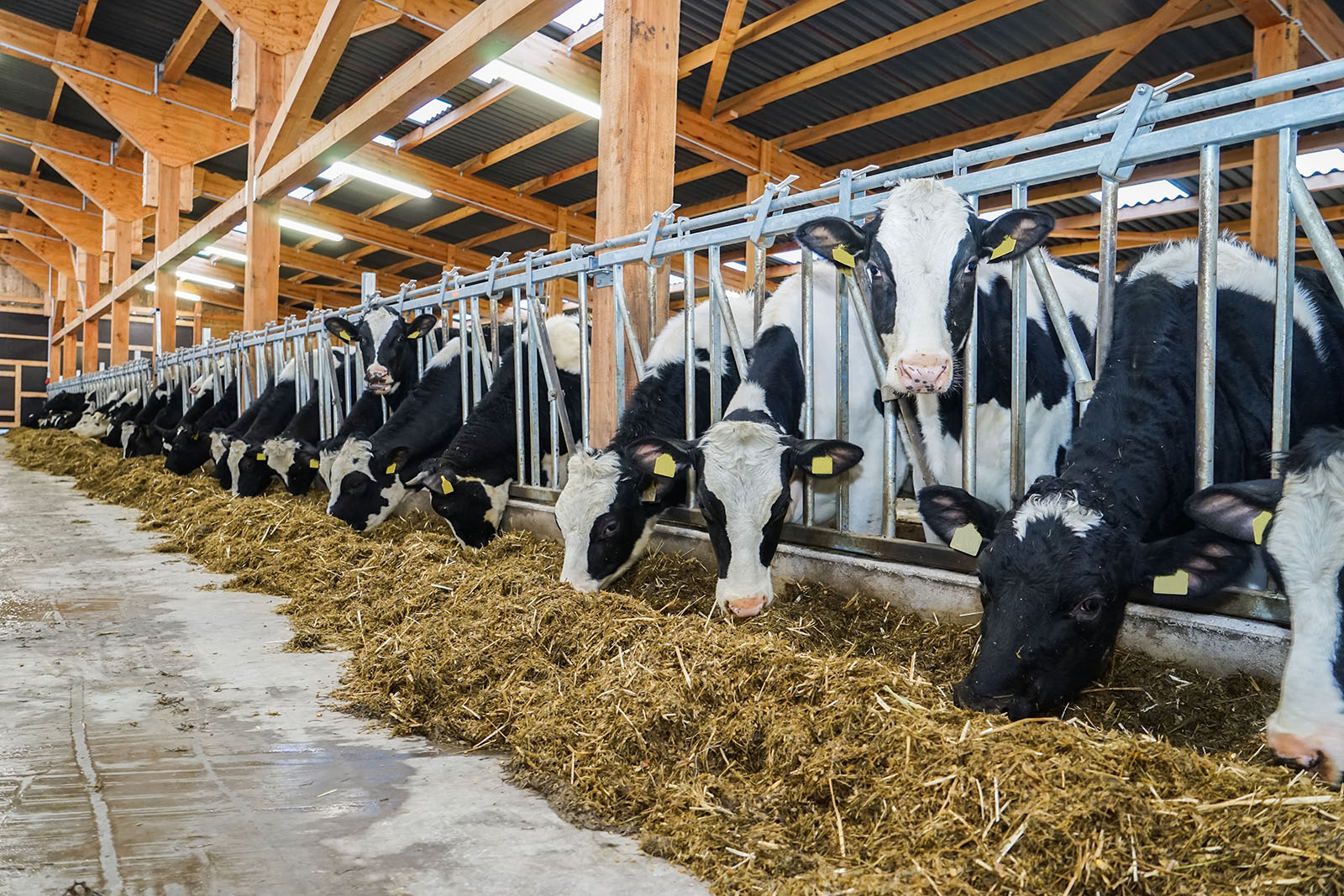
The conditions seen on farms increase the risk considerably. Combustible materials such as hay, straw, wood or dust are found side by side with electrical systems, machines and chemical substances. At the same time, the open design of stables and barns promotes a rapid spread of fire. What makes these fires so serious is not just the economic damage. It is the knowledge that animals in the stables cannot escape. In addition, remote locations and restricted access roads make it difficult to intervene quickly. The consequences of a fire therefore extend far beyond property damage – they affect both the animals and the economic existence of an entire operation.
Early detection as a key success factor
In the event of a fire, every minute counts. This is precisely where modern early fire detection comes in: this recognises critical situations as early as the incipient phase, long before flames become visible. However, conventional smoke detectors quickly reach their limits in agricultural environments. Dust, dirt or insects can trigger false alarms and compromise reliability.
Technological solutions for demanding environments
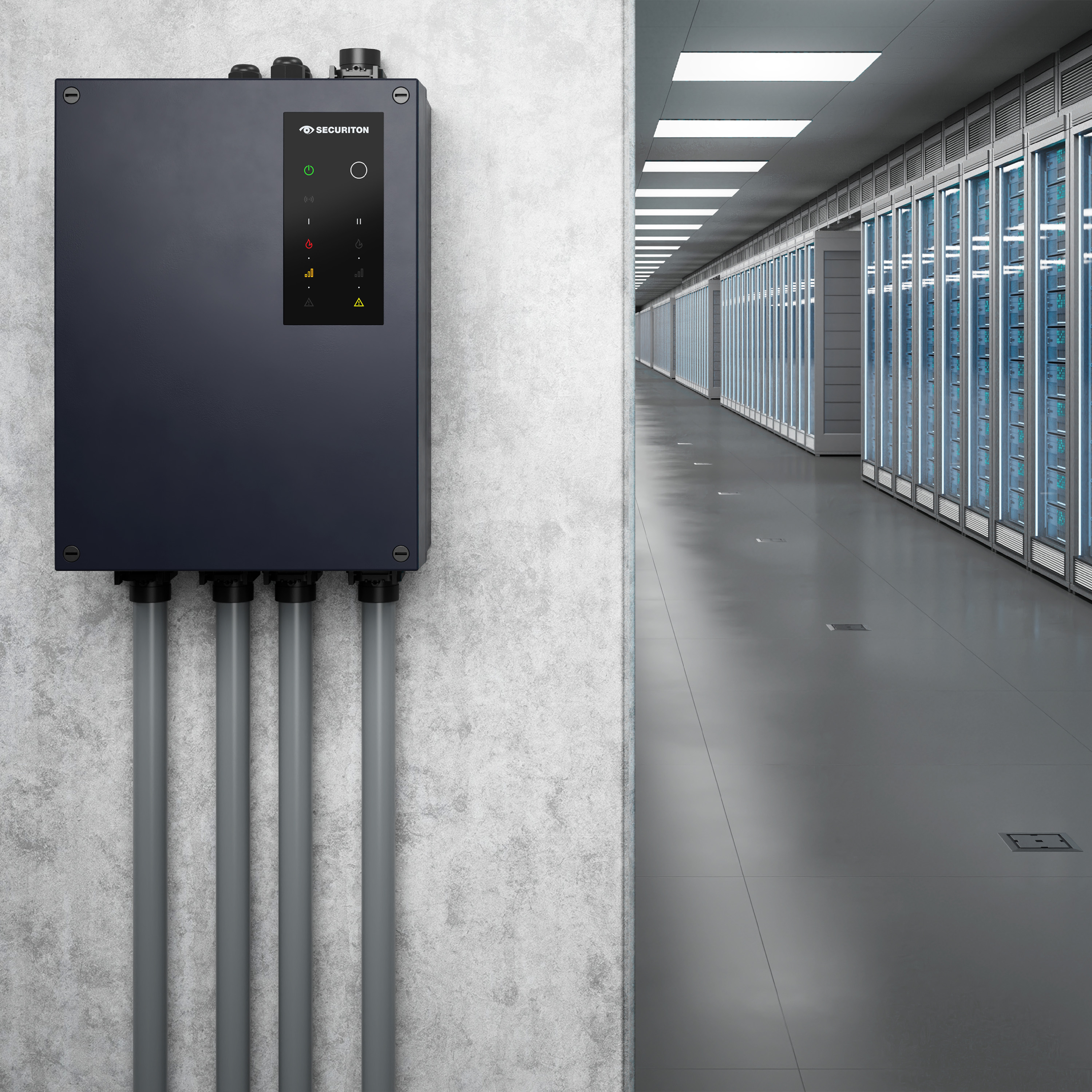
Specialised systems such as aspirating smoke detectors offer decisive advantages here. They continuously take air samples and analyse them centrally. Multi-level filter systems ensure that even the smallest smoke particles are reliably detected, even in heavily polluted environments. Solutions such as linear heat detectors and thermal cameras are also used. These are particularly suitable for large, open stable and barn areas and work reliably even in challenging conditions such as dust, humidity or temperature fluctuations.
Multi-level alarm transmission creates room for manoeuvre
A key advantage of modern fire detection systems is the step-by-step alarm transmission. Even the smallest changes are detected as a pre-signal. This leaves valuable time for investigating the causes and taking targeted action. Additional measures – such as the transmission of an alarm to emergency services or the activation of extinguishing systems – are only triggered in the event of a further escalation. This early response can make a decisive contribution to preventing fires or significantly reducing their impact.
Investment in security and the future
A well-thought-out fire protection concept is not a luxury for farms, but a necessary investment. It protects animals, infrastructure and the economic basis of operations. Individual consultations help to find suitable solutions and adapt early fire detection optimally to the respective conditions.